Leonard Kirtman was one of the most prolific – and notorious – of the first wave of adult filmmakers in New York.
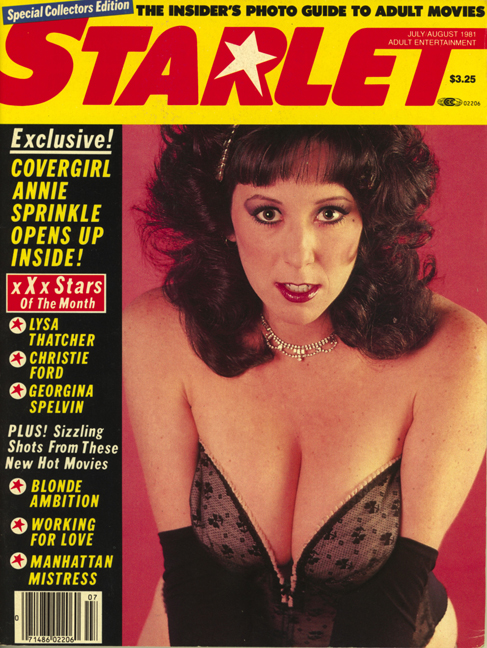
For a short time in the mid 1970s, he handed over the reins of his production company to a small group of film-related misfits who grouped around his Chelsea studio, including Ralph Ell, Bill Bukowski, Chuck Smith, Ras Kean, Tzipi, and Annie Sprinkle.
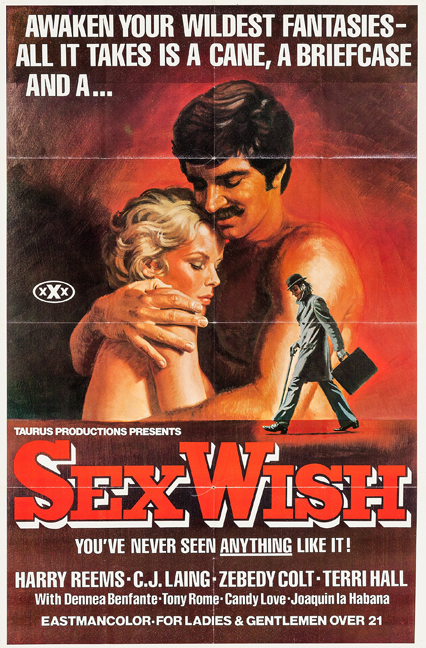
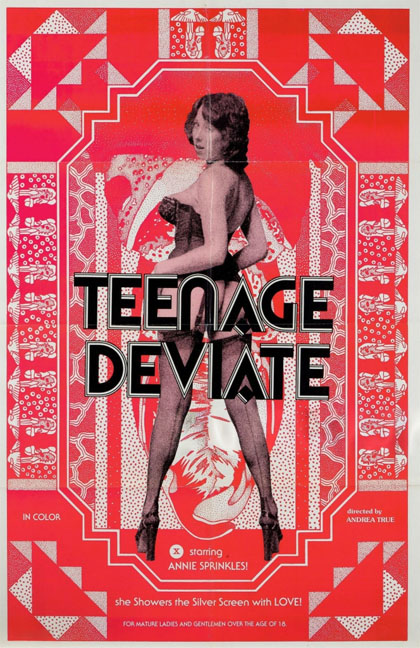
They called themselves ‘The Freaky Gang’ – and they were responsible for making some of the strangest X-related movies of the era, including My Master My Love, The American Adventures of Surelick Holmes, Big Abner, The Amazing Dr. Jeckyll, Airport Girls, The Vixens of Kung Fu (A Tale of Yin Yang), Teenage Deviate, The Affairs of Janice, Sex Wish, The Devil Inside Her, and Unwilling Lovers.
Over the last 25 years, The Rialto Report has spoken to the various members of the group. This is the untold story of their wild exploits.
———————————————————————————————————————————
Prologue
Stop me if you’ve heard this one before.
It’s a field in New Jersey. Sometime in 1976.
A male-model-turned-drug-dealer is having sex with a woman who’s considered the freakiest porn performer in New York City. They’re being closely watched by a one-time seminarian who helped Andy Warhol develop his filmmaking capacity, an ex-hooker who started out in an Arizona brothel, an illegal immigrant from Israel, a punk-rock-playboy-film-technician desperate to figure out how to make 3-D movies, a former child actor from silent Laurel and Hardy movies who’d reinvented himself as a queer cabaret performer, and an ex-Air Force cameraman who’s at an age when his back goes out more often than he does.
Oh, and the porn queen’s boyfriend is busy filming the scene in explicit detail for a movie titled The Affairs of Janice.
They have to hurry because the dope peddler has a new shipment that’s got to be in Manhattan that evening or he’ll face the wrath of The Council, the ruthless African American organized crime syndicate in Harlem.
Got that? It’s a lot, I know.
So let’s start at the beginning.
*
1. Early Years
Leonard Kirtman was responsible for dozens of adult films made from the late 1960s to the mid-1980s. Actually, probably more like hundreds if you count the two-bit, gimcrack 8mm loops as well. But though his presence looms large in this story, Leonard himself will remain in the background. His biography, after all, has already been told.
This story will instead focus on the group of people who worked for him for a short time in the mid-1970s. An inner circle of screwball kooks who made the films for him, and who called themselves ‘The Freaky Gang.’
It consisted of people like Ralph Ell, a soft-hearted, pudgy cugine, a misfit from a blue-collar Italian family because of his pipe dreams of being a theater actor.
Ralph Ell:
I was born in 1941 to a typical New York Italian family like you’ve seen in countless films: I had a larger-than-life mother and shady uncles who were involved in some branch or another of the mob.
And I was Ralphie, the short, chubby kid who wanted to be an actor.
I was ok at school, nothing special but well-behaved, so when I hit my teens, my mother decided I was going to be a Catholic priest. I was enrolled in a seminary out in Bay Shore, Long Island. It was a prep seminary: that meant continuing my schoolwork while also having a spiritual formation that would ultimately prepare me for the priesthood.
If Lenny Kirtman’s gang had a cool member, it was Bill Bukowski. Looking like a cross between Johnny Thunders and Tom Verlaine on a wild night at CBGBs, he enjoyed women, drugs, and the interior mechanisms of 35mm cameras in equal measure.
Bill Bukowski:
I was born in 1952. I’m a Brooklyn kid of Polish heritage.
I attended St. Stanislaus Kostka School in Greenpoint, Brooklyn, and then St. Francis Prep in the Williamsburg area. Both solid Catholic schools which tell you everything you need to know about my upbringing. Frank Serpico, the undercover cop, went to the same high school a few years before me. I got a kick out of knowing that because I always considered myself an outsider too.
And if I mention the schools, it’s because I had a love/hate relationship with them. I was a weird combination of intellectually curious and obnoxious irritant.
Then there was Chuck Smith. Kindly and wise, everyone considered him older than the warranty on a stone wheel. Which was entirely wrong as, in reality, he was barely in his mid 40s.
Chuck Smith:
My name is actually Charles Davis Smith, but only my mother called me Charles. Everyone just called me Chuck. I was born in the 1930 in Philadelphia. My stepfather was a film projectionist, and he’d take me to work with him most Saturdays in the late 1930s and early ’40s. I saw all these great films from the time. I’m really old enough to remember ‘Gone with the Wind’ coming out…! But despite that exposure to movies, I wanted to be a magician. That was my dream. But I had no idea how to make a career from magic, so I went into the Air Force instead.
The Air Force recruited men according to a simple principle: what did your father do? If your old man was good at something, then they figured you must be good at it too. So guess what? They gave me a job as a projectionist of training films – and eventually they asked me to edit those films.
And then there was The Woman: Tzipi. If her gender wasn’t enough to make her stick out as being entirely different, she was also Foreign. And Cute and Young too. She was used to having to fight hard to be accepted, much harder than the men, but she was tenacious. The result was the ultimate backhanded compliment from the others: she was accepted as one of the boys.
Tzipi:
I was born in 1948 to holocaust survivors who met and settled in Prague after the war. My father had started building up a business there but when the communists took over in 1949, we left the country and relocated to Israel. In Prague, I’d been ‘Edita,’ but after we moved to Israel, I became Zipporah, named after Moses’ wife, best known for saving him by circumcising their son. People called me Tzipi.
Ralph Ell:
After being at the seminary for a couple of years, two things happened: firstly, I lost weight, became better looking, and discovered girls during the vacations. And secondly, I was introduced to theater and fell in love with acting. Girls and theater were considered temptations by the seminary, so I had a lot of guilt and soul-searching. Eventually the internal pressure became too much for me and I took myself to confession. The priest scolded me real bad, and told me to take six months off from the seminary so that I could reflect on the grave error of my ways.
I returned home and never went back.
Bill Bukowski:
I was smart in school and got good grades. I was usually at the top of the class, or close to it, excelling in math and sciences. My problem was that I was easily bored… which made me cheeky and rude. I thought I knew more than the teachers – which I probably did. I organized practical jokes on them which landed me in constant trouble. It felt like I spent half of my school years sitting outside the principal’s office. Nobody seemed that concerned about me because I did well in class, so my behavior got worse.
Chuck Smith:
After the Air Force, I was hired by Soundmaster Studios, which was a company that made television commercials for Singer sewing machines, beer companies, and department stores. I did everything for them! Editing, shooting, directing… you name it. But after seeing so much bad cinematography, I decided I could do better. I left Soundmaster Studios and took a job as a traveling cameraman and director of industrial films.
Ralph Ell:
By the time I was 18, I was acting full-time. I moved to South Brooklyn and spent all my time involved in plays. I didn’t have any acting training, but I was keen and I got the leads in productions – like Willy Loman in ‘Death of a Salesman.’
In the early 1960s, I formed a theater group called Pantheon Productions on Avenue P, and then another group called Theatron Productions. We did original plays, as well as works by Pirandello, Oscar Wilde, and Faulkner. Both groups were non-equity, experimental, off-Broadway – and pretty much no pay too! I was Associate Director and Artistic Director, which meant I hired people to act and I built the sets. I was an expert in building a set in the garage where we rehearsed, which could be taken apart and re-assembled quickly in the actual theater for the production.
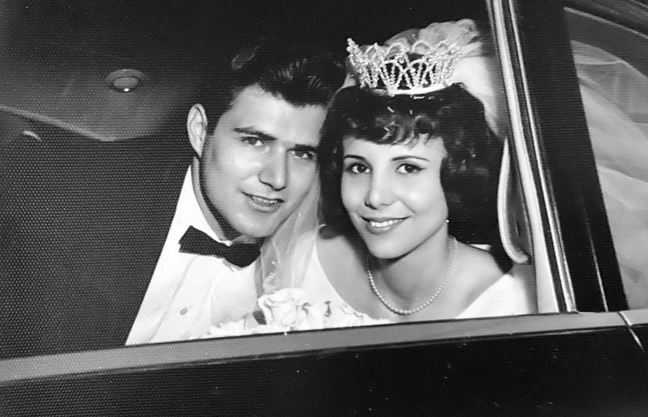
Working in the theater was a good life, but always a struggle with very little money. I’d got married and wanted to start a family. I thought maybe I could make more money doing film work, and a carpenter friend got me a job with Andy Warhol at The Factory on East 47th Street.
 Ralph Ell
Bill Bukowski:
When I was young, I had two big loves: film and rock ’n roll. Or three, if you count girls. Four, if you add recreational drugs. Actually, more than movies, I fell in love with film equipment and technology: editing suites, lighting, rigs, and most of all, cameras. I met a guy who made short films and I was hooked immediately. After that, whenever I could get my hands on a camera, I’d take it apart and figure out how it worked. Of course, I couldn’t put it back together again… but that was all part of the fun.
Chuck Smith:
I moved to New York and formed a film company with three friends called CHAT Productions, the name came from first letter of each of our names. Chuck, Harry, Anthony, and Tommy. We made a primitive soft sex film called Lust and the Flesh (1965) with some women who were local strippers from the New York scene, and distributed it through Stan Borden’s company, American Film Distribution.
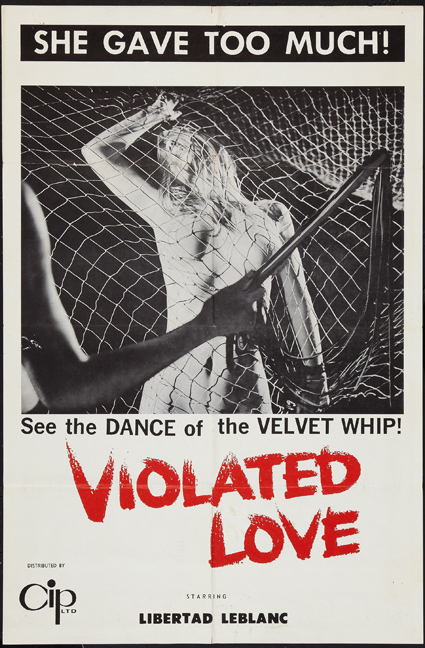
It did very well for us. The CHAT Productions group made enough money to pay the bank back and make another film – which was Hot Nights on the Campus (1966) and that launched me into a life of softcore black and white sex films, titles like Banned (1966), Violated Love (1966), The Twisted Sex (1966), Teenage Gang Debs (1966), Honey (1966), The Girl from S.I.N. (1966).
Ralph Ell:
Andy (Warhol) made me a Production Assistant – which basically meant doing anything they wanted me to do. I mean anything! Yes, I built sets, furniture, papered walls, set up lighting, prepped shoots, and worked on hundreds of short films and features. But I also took care of drag queens, prima donnas, artists, freaks, and lunatics. The Warhol crowd were unbelievable, crazy people. Many were messed-up spaced-out narcissists. I was a similar age to many of them, but a world apart culturally. I was just an Italian schmuck. I was completely out of place in their midst.
Bill Bukowski:
I was 16 when I met an older guy, a film editor named Jerry Bloedow, and he let me help him edit documentaries and industrials that he was working on. That opened up a new world to me. I did so much work with him that I got accepted as a member of the Editors Union while still in school!
Ralph Ell:
Andy was making movies all the time, each and every day, so there was a lot to do. I worked on them all: Tub Girls (1966), The Nude Restaurant (1966), The Loves of Ondine (1968), Blue Movie (1969), are just a few I remember.
Andy was ever-present but always distant and didn’t seem to trust me. I think he found me too square – which of course, I was. Tabs of acid were passed around and then someone would say, “Lets shoot now!” Sometimes these people were so out of their heads, they couldn’t shoot anything.
I got to know many interesting people though: Paul Morrisey, Taylor Mead. I talked with Viva a lot about religion. Edie (Sedgwick) was sweet. We’d talk about theater together. Life was entertaining there.
Tzipi:
We lived in Tel Aviv, and I was always interested in the art scene there, so when I left school, I found work in film mainly doing sound work. One movie I worked on in Israel was Charlie and a Half (1974) – which is pretty good.
Ralph Ell:
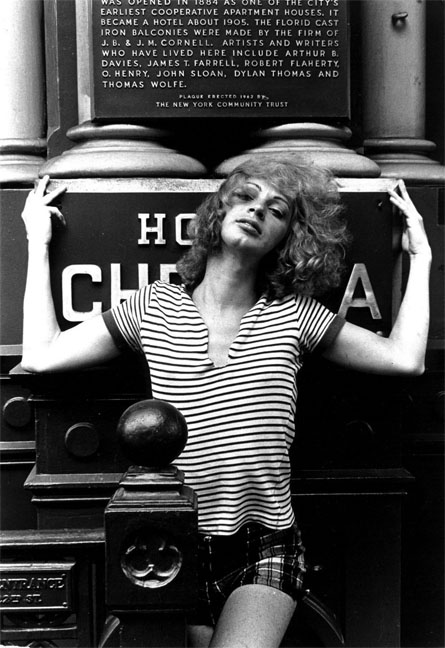
I became close to Holly Woodlawn. To me, she was one of the greatest comedians that ever lived: a bi-sexual drag performance artist… and a fantastic comedian, a complete performer. I was always impressed with her.
I became her agent for a few months and tried to get her roles in anything. It wasn’t easy because she was drunk and stoned so much but she always was such a great presence. She should’ve been a big, big star.
 Holly
Holly
After a few years working for Andy, I got frustrated. The atmosphere changed in 1968, after we moved down to the Decker Building at 33 Union Square West. There were more weird hangers-on and it stopped being as much fun. I had done so much for Andy, but I never got credit – and worse, he never let me do anything myself so I didn’t learn how to shoot a camera, or how to edit a film.
Bill Bukowski:
In 1969, I enrolled in NYU at the Film School. I went to school during the day making little student films around the city, I continued doing the editing work with Jerry at night, and I also worked at the NYU radio station the rest of the time. One of my friends there was Lanny Meyers, who went to win Emmys and Grammys for his music. I loved rock ‘n roll almost as much as cameras!
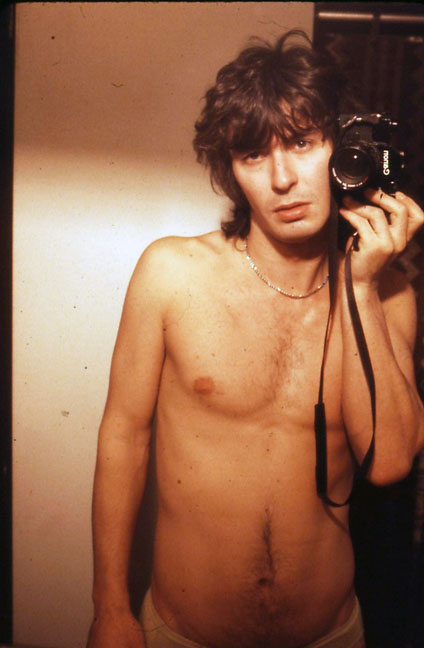 Bill Bukowski
Chuck Smith:
I picked up movie work here and there. I had some space in the Film Center building at 630 9th Avenue in Manhattan. I worked for PBS on a number of documentaries, I shot some commercials for a beer company, and I made some medical industrial films for Johnson and Johnson. I met Doris Wishman through a mutual acquaintance at the Film Center building in Manhattan. She’d made a series of nudist / nudie movies, many of them in Florida, but was fairly new to the type of film that I’d been involved in – that’s to say black-and-white sex and violence melodramas. Doris needed a cameraman, and also some help casting a movie. She recognized these movies were making more money, so she just adapted her approach and started making these films instead.
We made several movies together, including Bad Girls Go To Hell (1966), The Sex Perils of Paulette (1965), Indecent Desires (1967), A Taste of Flesh (1967), Too Much Too Often! (1968).
Ralph Ell:
I went to work with a guy named Kuno Spunholz. He was an older guy, a German who’d fled the Nazis in the war, and was now a theatrical manager in New York. He was gay and seemed to have 45 young gay kids working for him. Kuno wanted to start an acting agency, and he wanted me to be his partner. I did that for a time. It was like working in a sitcom: he was always fighting a pitched battle with Dorothy Palmer who had a competing casting business.
Eventually I left because I got a job on a regular movie. I was hired as a grip, setting up lighting and equipment for the cameras. Some dollies and cranes, but mainly just rigs. At the end of it, I got a union card as a key grip which was good… but then no one wanted to hire me for any other job apart from grip work. I was depressed thinking I’d never learn anything else.
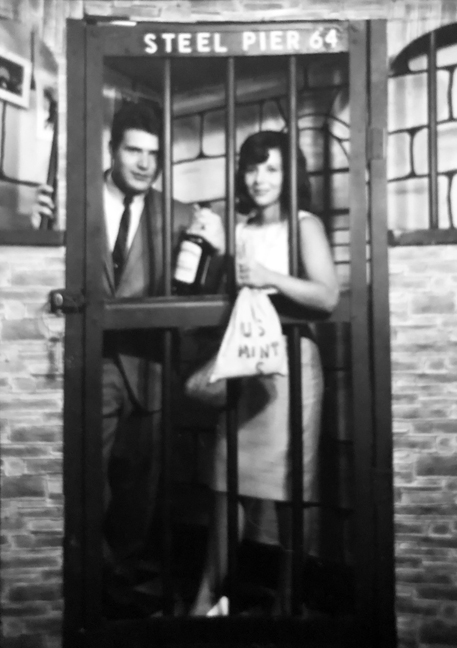 Ralph
Ralph
Tzipi:
In 1974, I moved to New York and found an apartment on 14th Street between 1st and 2nd Avenues. It was such a great time – the city was quieter back then and artists could afford to live in relative comfort.
Chuck Smith:
The 1970s was a new world for someone coming from my dark corner of film. Truly. Soft core was out. Black and white was out! And what’s more, the old school filmmakers who’d been making these movies because they loved film… they were sadly out too. They were replaced by a new breed of people who wanted to make money. Not that there’s anything wrong with that – this was a business, after all. But the people who came into the industry had a different set of priorities.
I met this guy named Leonard Kirtman in the late 1960s. Len was a cab driver at the time, but clearly a smart and ambitious guy. He wanted to get into the film biz. He asked me a million questions, so I told him to stop by and visit me in my editing room. When he came by, I gave him lots of information about how to start making movies.
The next thing I knew, he was THE smut maven in New York!
Ralph Ell:
In the early 1970s, I read an article in Show Business magazine about a filmmaker who was giving work opportunities to people who wanted to learn about filmmaking. That was Leonard Kirtman.
He had a studio on 23rd Street so I went to meet him, and he explained that he made sex movies. I’d seen a lot of sex at the (Warhol) Factory but that was for a… er, more artistic product. Lenny’s stuff was different: this was sleazy.
I said, “Lenny, I don’t really wanna do this, I thought this was gonna be a legit thing.”
He said, “If you work for me for six months for free and you do everything that I tell you, you’ll be able to direct – and if I think you’re good enough, I’ll let you make your own movies for me…”
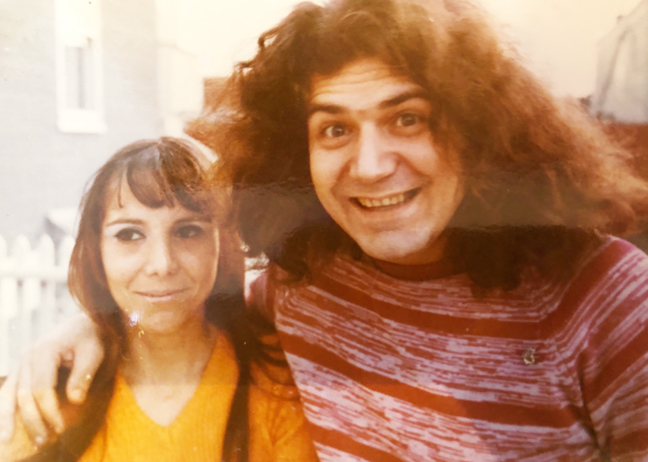 Ralph
Ralph
Bill Bukowski:
After I graduated from NYU, I faced the usual film school graduate catch-22 dilemma: I couldn’t get hired because I didn’t have experience, and I couldn’t get experience because no one would hire me. And then someone told me about Lenny Kirtman and his crazy operation. He was the perfect solution for me. I went to work for Lenny full-time in 1973.
Chuck Smith:
When my work in the legit area dried up for a spell, I contacted Len and he immediately agreed to use me on various projects, shooting and/or editing on a freelance basis… which turned out to be my first truly X-rated ventures.
He said, “OK, here’s the set, here are the people, make one.”
I said, “Ok, where’s the script?”
Len replied: “It’s just hardcore. Make up a little plot and… you know… show a lot of sexual activity and uh… that’s the movie.”
I had never done that before but I figured… “Well, I’m getting $300 a day, I’m not gonna turn that down.”
*
2. Lenny’s Freaky Gang
Leonard Kirtman liked making movies but he liked making money a whole lot more. By the mid-1970s, other business interests were distracting him, so he increasingly looked to delegate day-to-day filmmaking activity in his 23rd Street studio to others: the Freaky Gang was forming.
Ralph Ell:
I accepted Lenny’s job offer and I did it for six months, killing myself with no money, but I learned a lot: how to use a camera, light a set, hold the boom, use a flatbed editor… and just being the schlep for everyone else.
Lenny assembled a core group of people to work for him: at first, his inner team consisted of Billy Bukowski, Chuck Smith, Tzipi, and me.
It reminded me a little of Andy’s Factory: a unique physical space, a strange mix of people, and a prolific filmmaking capacity.
Bill Bukowski:
I bet that everyone has told you about Lenny’s pitch? That he would teach people everything they needed to know – but they wouldn’t get paid? That didn’t work for me. I already knew how to make a film. I wanted money. So I told Lenny he had to pay me. He agreed, mainly because I was good at fixing cameras.
Ok, he didn’t pay much money, but it paid for my drugs (laughs).
Ralph Ell:
I loved Billy (Bukowski). Even though he was quite a bit younger than me, he took me under his wing and taught me everything. He had a big friendly smile, and he was hilarious. He was such fun to be around. He was one of my closest friends during that period.
Lenny liked him because he was the most knowledgeable of all of us when it came to making a film, so Lenny gave Billy director jobs straight away. But Billy had a heavy drug problem, and whenever his drug usage kicked in, Billy got pushed back to being the cameraman. But he was always there for me, helping me every step of the way.
Bill Bukowski:
It’s true. For a time, my life was off the rails. I was making porn films, doing every drug that was on offer, spending my nights in bars and music clubs, and I even had a sex queen girlfriend. That was C.J. the B.J. (laughs). Named for her unique skill, of course. She was well-know around town for her outrageousness.
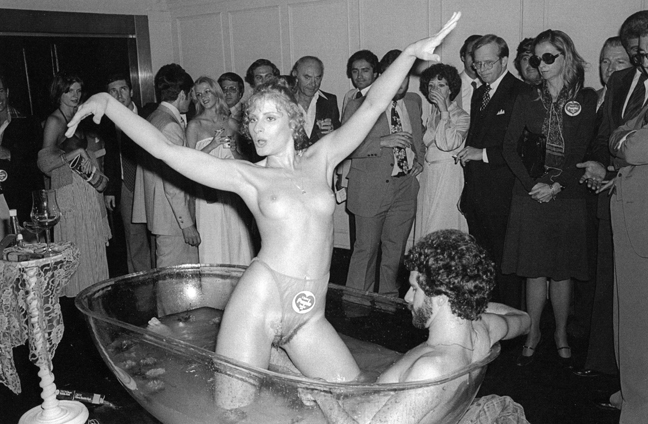
Ralph Ell:
The sweetest person who worked with us was Tzipi. Smart, funny, and creative. She made everything a fun experience.
Tzipi:
After being in New York a few weeks, I needed to find work and saw a job posting in the Village Voice for ‘Taurus Productions’. I called the number and spoke to Ralph. I told him I had sound work experience from back in Israel, so he invited me to meet him. As soon as I walked in, he sat me down and told me: “I’m going to be totally up front about this: we make porn films.”
I said, “That’s fine. I’ve got absolutely nothing against that. When can I start?”
The only problem was that I didn’t have a U.S. passport, visa, or work permit. Ralph didn’t care: he gave me a job immediately.
Ralph Ell:
Chuck (Smith) was already there when I started. He was an old-timer. He’d been in the business for longer than the rest of us put together… back since the black and white days, and he liked to remind you of that. Whereas Billy was happy to teach me everything he knew, Chuck wanted to do it all himself. He always seemed to mistrust me, probably because I was the newest guy on the scene. I didn’t like that and told him so. He said I had an ego problem.
Chuck was an old-school film guy and liked to make films, but like Lenny, he liked money even more – and he knew how to make a profit on a production. He knew exactly how to cut corners so you could save money and pocket the difference at the end of the shoot.
Chuck Smith:
Lenny specialized in making films very quickly. Or rather, making several movies simultaneously very quickly.
I was immediately impressed with what he’d done, because he’d boiled the production process down to its core essentials. Nothing fancy. Nothing unusual. Just a lot of films that were virtually guaranteed to make good money.
He would convince some backer to give him the money for his next movie, and then turn around and shoot three movies at the same time, and keep two of them for himself.
That could get complicated because he shot them all at the same time, but he kept it all in his head. I’d ask him what title to write on the film slate before each take, and he’d say something like B-23 or D-12. It all made sense to him.
Ralph Ell:
A guy called (Bill) Milling was there someimes. He was a quiet, serious type. He had a plan in life: he wanted to learn every aspect of how to make a film, and then start his own production company. He was efficient and good at what he did.
Bill Bukowski:
It was a strange bunch of guys who worked for Lenny’s group.
Ralphie just wanted to direct. He was a gentle soul who just wanted to make movies and be liked. Chuck didn’t give a crap what people thought about him. He was like your uncle who had seen everything before. Many times before. He shot nearly everything for us because he could do it without any fuss. Tzipi did the sound, and Milling was the studious, dependable guy who ended up being the Production Manager every time. He put it all together.
I was all over the place, doing a bit of everything. It shouldn’t have worked… but it did, and it was hysterical. We had a ball.
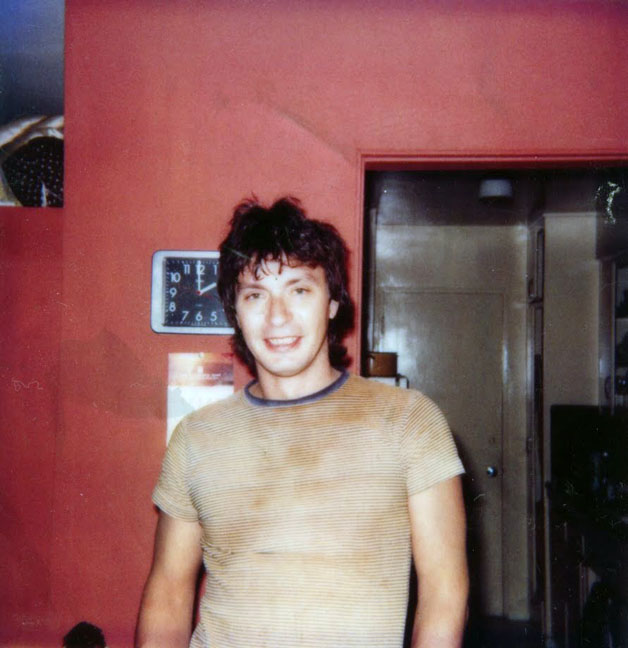 Bill Bukowski
Ralph Ell:
Billy called us ‘The Freaky Gang’ because we always tried to think of something weird to do in each film. Like golden showers or double insertions. Every one of our films had to have something freaky.
One way to make a film sexier and raunchier would have been to do something subtle like focus on the lighting… but that meant more time – so we always took the easy way out and got the actors to do funkier stuff instead. People like Darby Lloyd Rains and Andrea True wouldn’t agree to the it, so we brought in new girls and paid them a little extra to do something crazy.
Bill Bukowski:
All the features we made were for one of Lenny’s companies, usually Taurus Films. He had a big studio on 22nd Street – which was virtually unheard of. No one else had a facility like that for XXX films.
It was like a factory – we could spin out films so quickly, we could get three done in a weekend. Sometimes we had maybe, six, seven sets in that studio, and we’d shoot on several at the same time.
Chuck Smith:
Lenny was a hard businessman, but kept his word when he made a deal with you… not like a lot of other people I could name. And he always paid cash at the end of the day. Some people didn’t like him because of his cheapness… but, like I said, this was a business. I never had any problems with him.
He loved his work and invested a lot of his time and money in it. Sure, he made a lot of money too, but I can’t say anything bad about Len. Smart man.
Ralph Ell:
I started by working on a million loops. Even though I had no filmmaking experience, I was useful because I’d been building sets since the early days of my theater productions. That was especially helpful for the loops.
Sure, we all aspired to make feature films, but loops were quick and easy cash cows. Loops made money. Think about it: on average, guys were dropping $3 or $4 in quarters on a single loop every 10 minutes… and that would continue for months. Each loop only cost us $40 or $50 to make, so the loops were making a lot of money. And they were easy to shoot. There was no need for much of a story, it was just boom, boom, boom… and that was it. All you needed to know was how to light up a room. Nobody in the world can’t do loops.
Another one of my early jobs was to make lunch or dinner for everyone. I loved cooking. I used to make big cheap spaghetti dishes with meatballs, the whole deal. I did that for the whole time I worked for Lenny. He was terrible at providing food for everyone. He’d order KFC or cheap baloney sandwiches.
And I finally got to act too… I’m in the background of many films and loops.
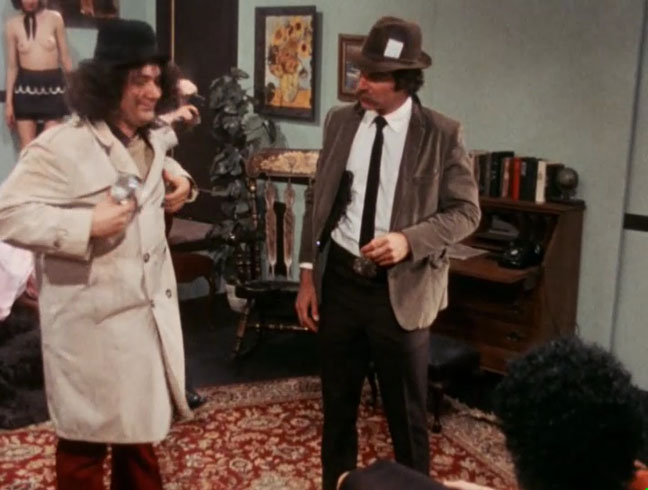 Ralph Ell (left) with Harry Reems, in More (1975)
Bill Bukowski:
Making porn was fun… and funny, but I didn’t want anyone to know what I was actually doing, you know? It wasn’t the most respectable job you could have, and I wanted to have a big career later. So I used a number of different names. Bo Koup was one, I think. Billy Hawk was another.
Tzipi:
I was the only woman working there at first, and I was younger than most of the others. The men all had their unique characters. Ralph was the funniest guy… and high all the time. Literally night and day (laughs). He smoked weed 24/7. I liked him enormously and we became close friends. We laughed all day long.
And God, we shot so many short films together over the months.
Ralph Ell:
After I’d served my apprenticeship, Lenny was true to his word, and he handed the reins to me for a bunch of movies. He said, “You’re gonna start by doing three gay films”. That was fine by me, though it wasn’t easy because guys are pain in the ass – if you excuse the pun. They’re much harder to work with. But I did it, and he liked what I did.
Bill Bukowski:
For a time, there was another guy in our gang. A big black guy named Ernie Turpin, who went by the name of ‘Turk.’ In the 60s, he’d been Harry Belafonte’s stunt double and bodyguard. He loved acting and he loved sex, so he appeared in our films.
One day, Lenny came in with four furniture movers, who were carrying the inside of an airplane. Lenny just said, “I just picked this up. Everyone wants to fuck on a plane! Start making films set in airplanes!”
So Turk and I put together Airport Girls (1975) and In-Flight Service (1975) – and he acted in both of them too. In fact, I was an extra too – with Lenny’s father!
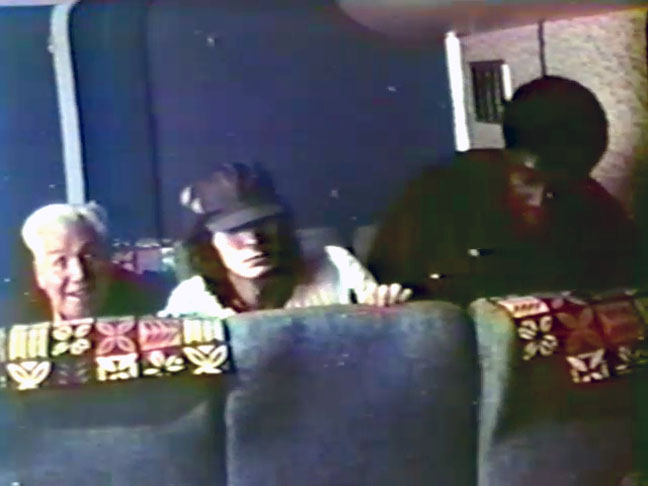 Bill Bukowski (center) with Leonard Kirtman’s father (left) and Turk Turpin (right) in ‘Airport Girls’ (1975)
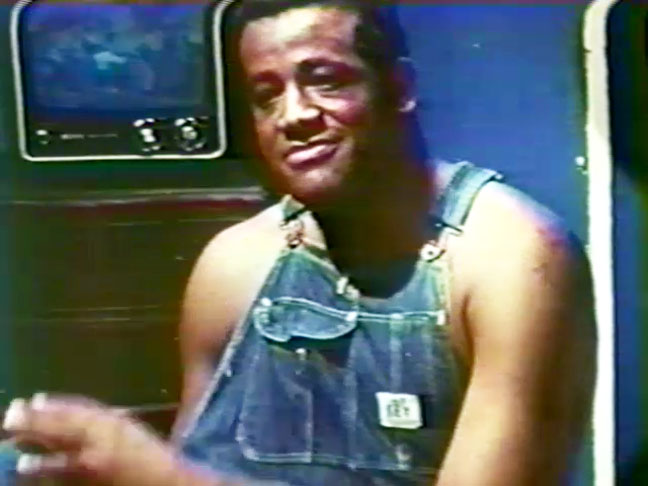 Turk Turpin in ‘Airport Girls’ (1975)
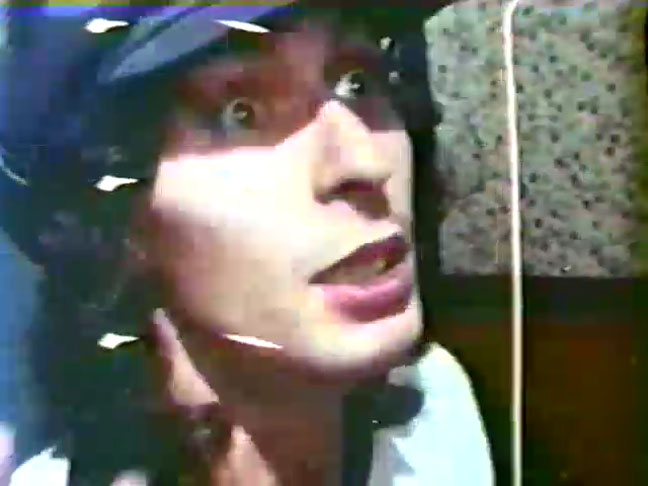 Bill Bukowski in ‘Airport Girls’ (1975)
Ralph Ell:
I didn’t just learn to shoot a film, I learned to edit and make sure the sound was in sync. In the Freaky Gang, I became known as the sound effects guy which basically meant [Ralph makes fake orgasm sounds…] you know what I mean? I’d take whatever girl was there at the time, we’d go into the booth and make the relevant sex noises – and then I’d blend it in beautiful.
Most of the time, I just tried to make sex funny because it was entertaining to me. I didn’t want to make it too serious. I liked doing slapstick, and actors like Harry Reems loved to ham it up like the Three Stooges.
In fact, most of the time, I considered that I was doing comedy films rather than sex movies.
Bill Bukowski:
We didn’t usually have scripts – just outlines. And then we improved. Actors like Harry Reems and Jamie Gillis were good at it. My favorite was Bobby Charles, who became known as Bobby Astyr. He was a little guy who had comedic talent. He could do the slapstick and was easy to direct. I could knock ten films off him in no time at all.
Tzipi:
I had aspirations to be a writer, but many of these films didn’t have screenplays, so one day I decided to write a script for the gang. I was bored of all the comedic films we were making so I came up with My Master, My Love (1975). It was an S&M… B&D… type plot within which I tried to build a real story.
Ralph liked it so we produced it together and Ralph directed it.
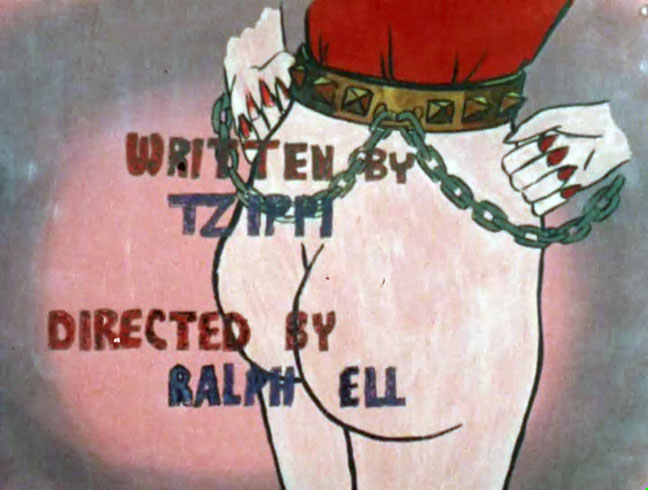
Ralph Ell:
For ‘My Master, My Love’ (1975), we went all-in on the S&M, though in truth, we had no idea what we were doing. Darby said she wanted to play a bitch… so we let her.
Tzipi:
This was before we saw ‘The Story of O’ (1975), and we made it for nothing so I like to think we were pioneers in some small way (laughs).
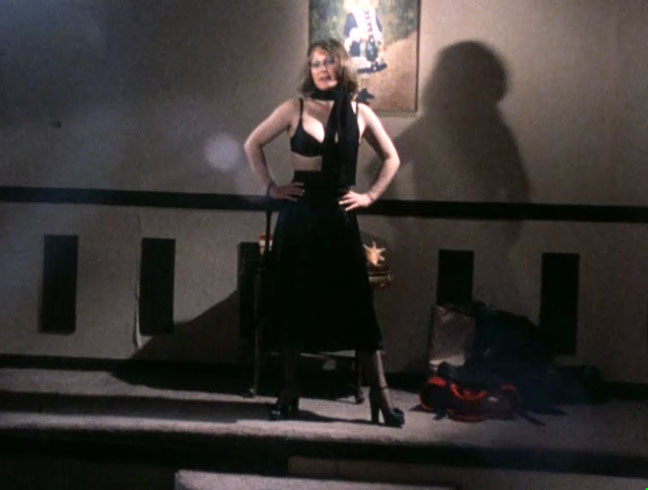 Darby Lloyd Rains in ‘My Master, My Love’ (1975)
Ralph Ell:
Occasionally on these films, we had a problem with the camera or with the performer at precisely the wrong moment – and we’d miss the money shot. That was a problem because if a guy has already come, you’ve got to wait for 80 hours until he can go again. I was the guy who invented the egg white mix that we used instead. You wouldn’t believe how realistic it looked on film (laughs).
But I’ll admit it, it was weird shooting sex. You’re in there up close, telling ‘em what to do, and… the smell of the human body is not as nice as you think it is. You really question your life choices when you’re that close to people’s orifices.
Chuck Smith:
I found that the transition to filming real sex was a little… well, disgusting. I don’t know how to describe it but it had lost any sense of excitement, and it was just bodies. Sweaty bodies.
Ralph Ell:
As I started to work more for Lenny, he started to pay me. He always treated me good. In fact, he used to give me nice checks even over what I made. I’ll never forget how many times we’d get paid and I’d look at the check and I’d say, “Is that mine?” Really, I was stunned, because I’d been used to doing so many things for free for the Warhol crowd, and the plays before that had only paid $5 a performance. Here was a man that was paying me thousands and he never questioned me, he trusted me.
Did it bother me from a religious perspective that I was now making pornos? No. I still kept the Christian beliefs I always had. I believed that God wanted us to have fun. I felt he wouldn’t be mad at me.
After all, Jesus had a girlfriend, right?
*
3. Enter Ras Kean, and Annie Sprinkle
There were two final members of The Freaky Gang, and they couldn’t have been more different. Ras Kean was a square-jawed, street-smart, double-dyed hustler with an entitled confidence that suggested he had nothing to prove and everything to gain. Annie Sprinkle was a young and insecure Californian from an artistic family, brimming with curiosity and kindness though lacking in direction and purpose.
Ralph Ell:
I became friends with a guy named Bob. He later went by the name ‘Ras Kean.’ Real good-looking kid. I met him at an off-off-Broadway play. He was a model but wanted to be an actor. I told him I could give him film experience.
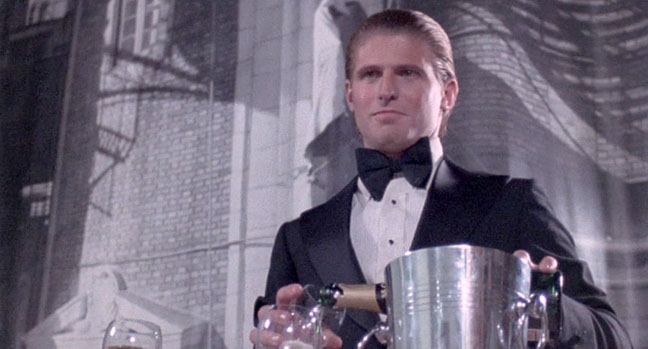 Ras Kean
Ras Kean:
I was born in Gloucester, MA in 1949 and came to New York in the late 1960s, ready for a big successful career in show business. Well, that never happened (laughs).
It started well enough when I got a place at the Academy of Dramatic Arts, but after that… I didn’t take to the life of non-stop auditions and trying to get acting parts without any guarantee of success. Which meant I had no money. Which was a problem, because I had a lifestyle to maintain: I liked to party. Or rather, I loved to party. And I needed money for that.
Modeling seemed easier than acting so I got on the books of the Ford Modeling Agency. That was a big deal. They were the biggest agency in New York, and they’d discovered Candice Bergen and Ali MacGraw, so I was full of hope. But modeling is all about the women, and opportunities for men weren’t good. The agency tried to mold me into a classic Hollywood gentleman. I made a little money in commercials but it didn’t lead anywhere special.
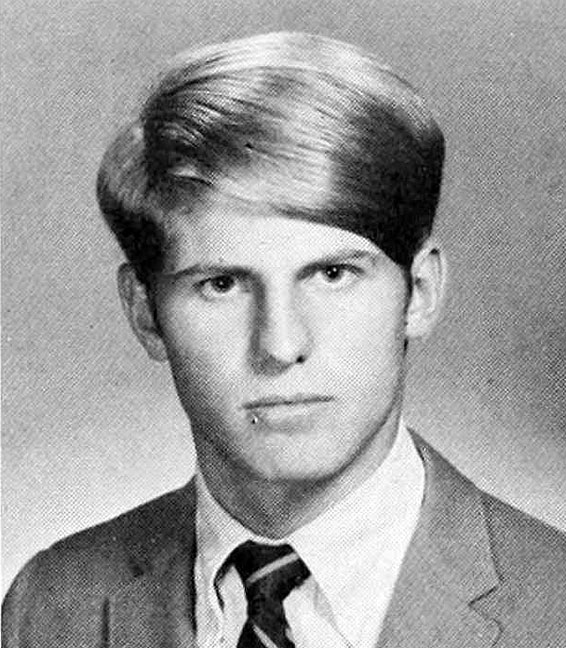 Ras Kean, high school
Bill Bukowski:
It was Ralph who first introduced Bobby to us, and then the Freaky Gang got a whole lot freakier (laughs).
Ralph Ell:
One day, Lenny said to me, “Gerry Damiano called, and he wants a favor. He’s banging this gal and he wants to keep her away from his wife. He’s not making any films at the moment, so he needs to find her some work and he’ll pay for her.”
That was Annie Sprinkle. She was still using her real name, Ellen, at the time. Lenny told me to take her on as a secretary.
Annie Sprinkle:
I was born Ellen Steinberg in 1954. My family lived in Los Angeles and then Panama, and when I was 17, I left home to live in an artist commune in Oracle, Arizona. From there I moved to Tucson, Arizona when I was 18, and got a job selling popcorn and tickets at a beautiful old vaudeville theater called the Rialto. It was an adult cinema but I didn’t know that when I got the job. I didn’t even know what porn was.
Deep Throat (1972) was playing so one afternoon, I went in to watch it… and I was like, “Whoa!” I was thrilled to actually be able to watch other people have sex. There was Linda Lovelace deep throating Harry Reems! It was getting a lot of publicity and the movie theater had lines around the block.
I worked there for two or three months but then the theater got shut down. I learned that it was closed because ‘Deep Throat’ was considered obscene. So I had to get another job. I ended up working in a massage parlor. At first, I answered the phone and booked the appointments, but there were too many guys coming in and not enough women.
The owner said to me, “Do you want to do a massage?” I said, “Sure!”
Ralph Ell:
Ellen/Annie was like no one I’d ever met – and I’d worked with Warhol and his people! She was sexual, promiscuous, and friendly, yet innocent, naïve, and insecure all at the same time.
Annie Sprinkle:
The first guy came in to get a massage from me. I did the massage. One thing leads to another and I was like, “Oh, he’s kind of cute. I like him. I’ll give him a blowjob.” And then he left me a tip.
After that, guys would negotiate with me for sex, and I was game. I think I really needed to be touched and I really liked the guys and they were very sweet to me and very complimentary. And I gave a damn good blowjob!
I was a hippie. It was a time of free love and exploration, and I was one horny girl.
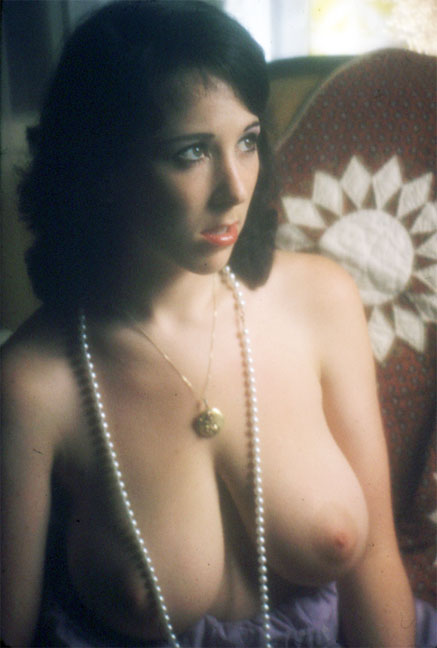 Annie Sprinkle
Bill Bukowski:
When you met Annie, it was a sweet breath of fresh air.
Annie Sprinkle:
A few months after I left my job at the Tucson theater, I got in a subpoena to appear in court. I was called as a witness against the ‘Deep Throat’ distributors, or the company that owned the theater. I had to take the stand. They asked me three questions: who was your manager, who hired you, and did see where the film came in from? The manager ended up going to jail for a while.
At the trial I met Gerard Damiano. As the director of ‘Deep Throat,’ he was flown in to attend the court case. He was much older than me, and I just adored him. He was charming and nice and flirty and I went to his hotel at the end of the day and said, “Will you teach me the deep throat?”
He was married with kids but I thought that as long as I don’t know the family and he’s off on a trip I assume he’s got this worked out with his wife. I mean after all he’s a pornographer! We had a fabulous time and he liked me a lot, so he invited me to New York.
When I arrived in the city, he got me a really nice apartment. It was $200 a month on 36th Street and 3rd Avenue. He also introduced me to Al Goldstein, and it was Al who got me a job at a whorehouse called The Spartacus Spa. It was a very fancy massage parlor on 53rd between 2nd and 3rd. It had red-flocked wallpaper, and a gold and black theme. I did that for a few weeks, and then Damiano arranged for me to go and meet the gang at Kirt Films.
Chuck Smith:
I was there when Ellen/Annie turned up the first day. I remember thinking, “Who is this airhead and where did she come from?”
I couldn’t have been more wrong: she may have come across as ditzy but behind that façade was a real smart cookie. Ellen/Annie started worked for us straight away. She had great creative input.
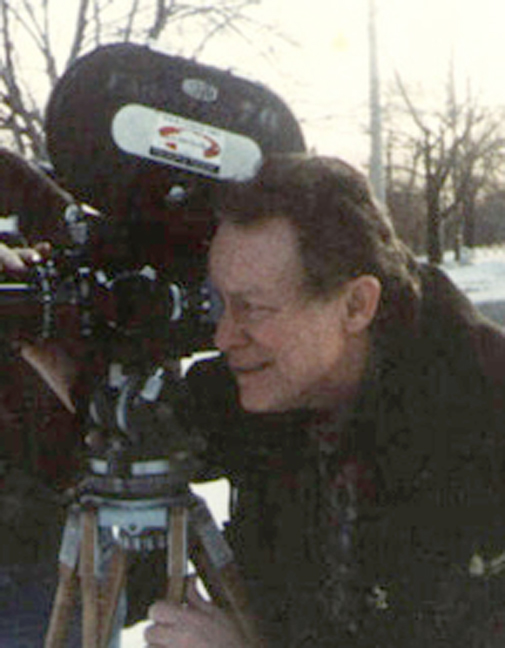 Chuck Smith
Annie Sprinkle:
I started working at Kirt Films being a script girl and doing set design – and by set design, I mean I changed the sheets on the beds after a sex scene. That’s where I met Harry Reems. He was doing a film with the gang called Sherlick Holmes (1975), which they shot right after making a gay version of the same film.
Harry couldn’t get it up. I was only too happy to help so I jumped in and fluffed him.
Ralph Ell:
Annie was madly in love with Damiano, but that didn’t stop her coming onto me and the other guys. After a few weeks, she’d seen us make a few loops in the studio, and she said to me “Ralph, would you mind if I fluffed?”
I was kinda surprised but said to her “Ok, if you’re keen, I’ll let you fluff.”
After that, she was always fluffin’, fluffin’, fluffin’, all the time! Finally, Lenny said, “This girl seems to enjoy it so much, let’s put her in a film.” She was so happy. Oh my God, she was in heaven. And so we put her in Teenage Deviate (1976).
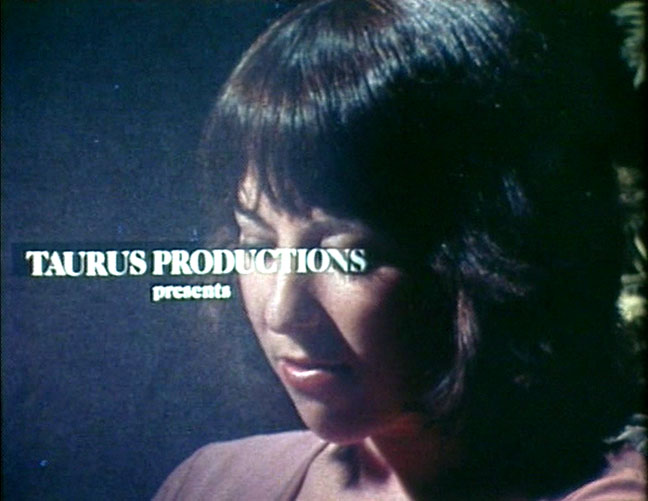 Annie, in ‘Teenage Deviate’ (1975)
Annie Sprinkle:
Damiano was a little protective of me and he wanted to keep me for himself, so he never encouraged me to get into porn, but after I worked at Kirt Films for a few months, and I fluffed, and people saw my talents, which included being able to deep throat by that stage, they gave me a chance.
I was really enthusiastic and really horny and really creative, and Leonard asked me if I wanted to do a one-day wonder – so we started work on ‘Teenage Deviate’ (1975). We had a great time doing that.
Ras Kean:
Ralph called me, and asked if I was interested in being in his next film: $100 for a weekend away in upstate New York with all expenses paid. Oh, and I had to have sex too. Sure, I said! What could go wrong?
And then Annie pissed all over me in the scene we did. That was unexpected…
Annie Sprinkle:
When I was working in the massage parlor in Tucson, one of my earliest experiences was a guy who wanted me to pee on him, and I liked it. It was fun, it was sexy, and I liked the wetness. I found it really hot.
So by the time I got into porn, I’d been doing golden showers for a while and I suggested doing one in the film.
Ralph Ell:
The golden shower scene with Annie and Ras/Bobby was epic.
It was one of the first feature film scenes I ever shot. Annie loved it. That was her idea, and it was the first time that someone became known for that.
I was proud. I said, “Wow, I actually shot a film.”
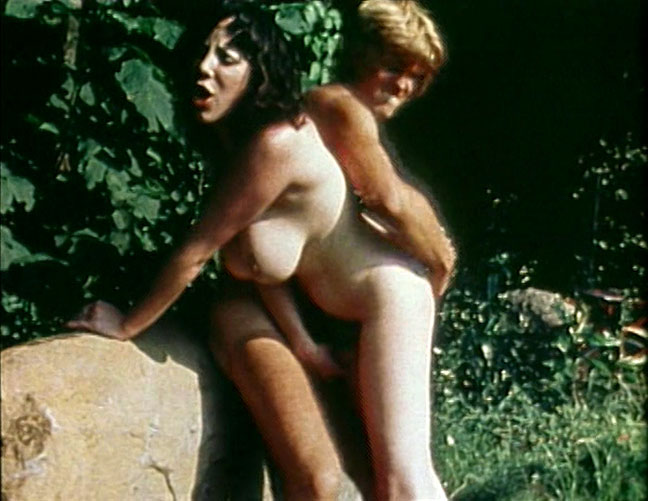 Annie and Ras Kean in ‘Teenage Deviate’ (1975)
Annie Sprinkle:
When I got into porn, I started feeling better about how I looked. I didn’t think of myself as pretty at all but I knew I had great boobs that guys wanted. That helped me feel better about myself, and so I thought, “Maybe I am kind of sexy and pretty if people are hiring me.”
Ralph Ell:
Annie appeared in many of my movies after that. She was a sweetheart, always looking for somebody to love so bad. She was such a kid and nothing like the other stars of the day. They were old ladies in comparison who weren’t into sex as much as they were into making money. Annie wasn’t a great performer in the beginning, but she liked sex and she liked to be with girls. She was always good to work with so I cast her in many of my films.
Annie Sprinkle:
I didn’t care much for the acting but I was really into the sex. I didn’t like to memorize. I wanted the bigger parts because I wanted to be a star. Who doesn’t? But I was always relieved if I didn’t have much to memorize.
The funny thing is I’ve always thought I was a really terrible actor but as I look back at some of the old films, I realize I was a lot better than I thought!
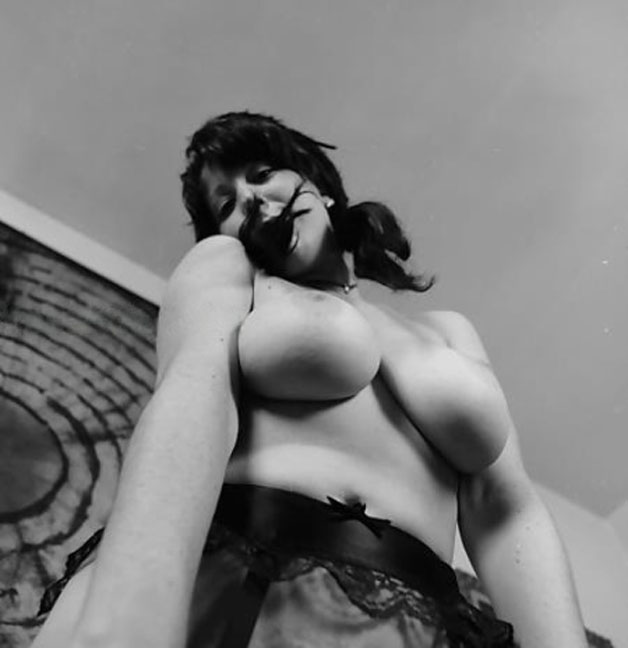 Annie
Annie
Ralph Ell:
Lenny tried to contact me in a hurry to ask me what name I wanted to use in the credits, as I always just signed the releases and contracts – ‘Ralph L.’ which was the initial for my second name. When he couldn’t reach me, he just went with that: ‘Ralph Ell,’ and it stuck, I guess.
Ras Kean:
After that first film, Annie told me that she’d get me parts in more of the Taurus films. I was wary of any more kinky stuff, so she suggested I go to Dorothy Palmer’s agency. The day that I went to Dorothy’s office, Radley Metzger was there casting for his new film: he saw me and came up to me straight away and offered me the role of Lawrence Layman in The Opening of Misty Beethoven (1976). He paid me $500. He asked me to do a scene with where I get fucked by a girl with a dildo. I’d learned from my experience with Annie and the golden shower, so I declined. Radley said he that was ok, as long as I didn’t mind him adding inserts later to make it seem like I was getting fucked. I didn’t care about that… I told he he could do whatever he wanted.
That experience was something else. Sure, it was still a sex film, but as a production it was on another level: there was makeup, wardrobe, rehearsals, a professional film crew. It felt like Hollywood! The contrast from Ralph’s films couldn’t have been greater (laughs).
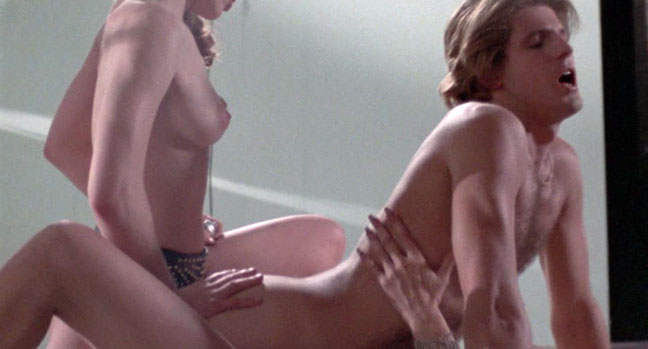 Ras Kean (with Constance Money and Gloria Leonard) in ‘The Opening of Misty Beethoven’ (1976)
Annie Sprinkle:
Kirt Films may have been low budgets, but I had great time. I made lots of films there and I learned to edit too. I met great people that I loved. And there were some really hot guys on the crew that I would fuck.
Ras Kean:
I hung around with Freaky Gang, getting high, making films, having sex… and getting into more and more trouble with Billy.
*
In the next episode, the films, the drugs, the arrests, and more.
*