
Podcast: Play in new window | Download
Subscribe: RSS
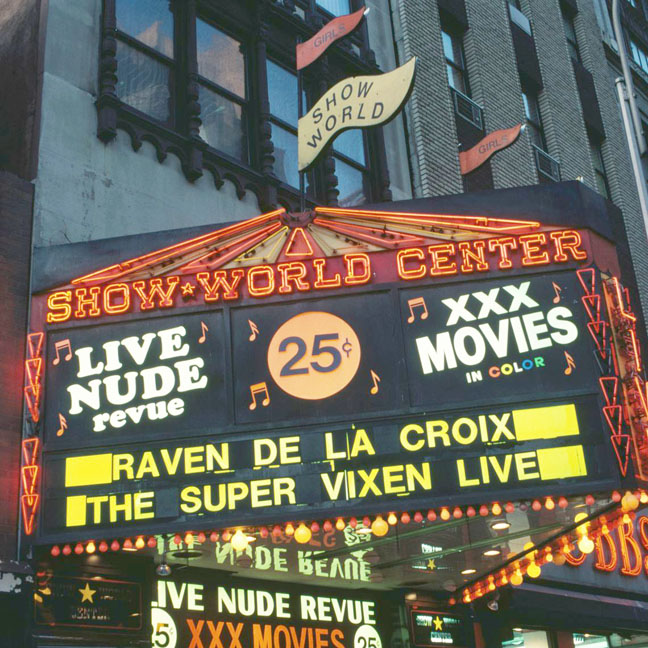
When I first visited Ray Horsch at his home in Philadelphia to interview him, most of the conversation was about New York in the early 1970s. More specifically, Times Square. The adult movie theaters. The live sex shows. The people who worked in them. The strange, seedy ecosystem that flourished there long before Times Square became the Disney-fied tourist destination we know today.
Ray had been part of that world. And in talking about it, he also talked about himself – about performance, transgression, sex, violence, art, and the persona he had spent years constructing.
Listening now, the question running beneath much of it is one I could never have anticipated when I recorded it: Where did the performance end? And where did Ray begin?
If you know any information that may relate to the ongoing investigation of Ray Horsch or his son Eugene, please contact Detective Joseph Murray, at the Homicide Division of the Philadelphia Police Department, at 215 686 3334.
You can listen to the first part of this series here.
Please note that all unauthorized reproduction or use of the audio in this podcast is strictly prohibited.
This podcast is 35 minutes long.
—————————————————————————————————————————
I first visited Ray at his home outside Philadelphia almost twenty years ago.
It wasn’t the house on West Chew Avenue that has since become the focus of the ongoing murder investigation. At the time, Ray lived in Chalfont, a quiet suburb some thirty miles north of the city. His was a large, comfortable three-bedroom house, with a big yard and an extensive basement.
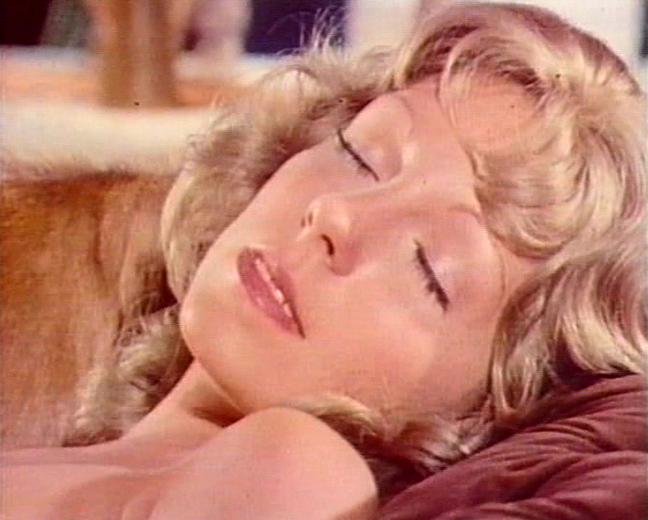
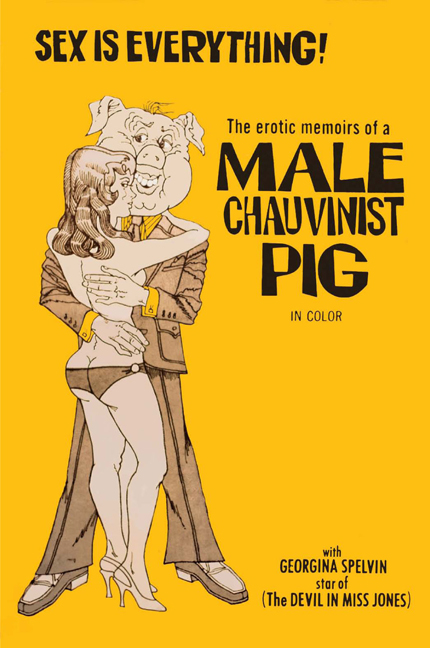
I’d tracked him down because I’d started documenting the history of the beginnings of the adult film business in the 1960s and ’70s. On the face of it, Ray was a relatively minor figure in that story. He’d directed only one theatrically released adult film of note, back in 1973, The Erotic Memoirs of a Male Chauvinist Pig.
But when I looked for him, in the early days of the internet, he was unusual in that he had his own website. And it was the way he described himself there that caught my attention.
It read: “Alternately an artist, filmmaker, composer, former Sesame Street program maker, writer, porn performer, drug smuggler, political activist, art forger, counterfeiter, pot grower, air show pilot, army deserter, fugitive, sociopath, ex-convict, and all-out villain, Ray Horsch’s life has been as colorful and obsessive as his art.”
I had no idea how much—if any—of that was true at the time. But it certainly made me curious. So I contacted him.
Over the phone, Ray was polite, friendly, and humble, and he invited me down to Philadelphia to spend the day with him and talk about his life.
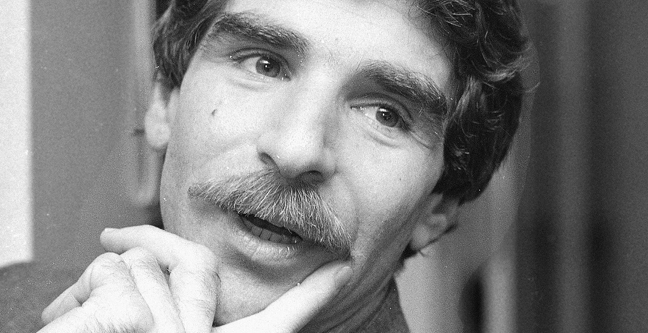
The first thing you noticed about Ray was how he looked. You couldn’t really notice anything else.
He was in his sixties at the time, with long black straggly hair and an intense, piercing stare. He dressed entirely in black. And to complete the effect, he sometimes wore an eye patch—which, as far as I could tell, served no practical purpose whatsoever. It simply made him look more menacing. For Ray, that was probably reason enough.
Because Ray enjoyed playing the villain.
You’ll hear that repeatedly in these conversations. He wanted to provoke. His appearance did it. His photographs did it. His writing and films did it. Shock wasn’t incidental to his work; it was central to the persona he had constructed around himself.
Ray maintained that all of this was performance—that he was an artist who wanted to challenge and disturb, not simply through the work he produced, but through the character he presented to the world. Privately, though, he insisted that this front was just that: a character. A game. A practical joke that he played on you, and on the world.
At the time, I took him at his word. Today, inevitably, that claim is harder to hear in quite the same way.
And yet the curious thing was that the Ray I encountered in person seemed at odds with the character he had created. He did look frightening. But he wasn’t frightening to talk to. Over the many hours we spent together, he came across as soft-spoken, thoughtful and patient. He was intelligent, articulate and self-aware. And over the years, I was able to verify many of the seemingly tall tales that he told me about his extraordinary past.
Today, however, I find myself thinking less about what Ray told me than about what he may have chosen not to tell me.
And that is one of the uncomfortable aspects about presenting these recordings now.
Knowing Ray does not mean that I know what happened at West Chew Avenue. Spending time with him does not give me any particular insight into the investigation that is continuing today. And I don’t want these conversations to be heard as though they contain some hidden solution waiting to be discovered.
They were interviews with a man talking about his life as he wanted me to understand it.
But I am also very conscious of something else: Ray spent much of his life seeking attention. He created an identity designed to provoke people, disturb them and make himself difficult to ignore. By putting his voice back into the world now, there is a danger that I allow that persona to dominate this story once again.
And it shouldn’t.
Because whatever eventually emerges from the investigation, at its center are real people. Women whose lives matter independently of Ray Horsch. People who are missing or may have been harmed. Families who are still living with uncertainty and waiting for answers. They are not supporting characters in the story of an outrageous man.
That is something I want to remain conscious of throughout this series.
So where these recordings are disturbing, I don’t want to include something simply because it shocks. And where they raise questions that I cannot answer, I don’t want to pretend that I can. What I can do is present the conversations as they happened, with the context we have now, and allow the distance between those two things to remain unresolved.
That first day, though, I knew nothing of what would come later.
*